Introduction
Choking is a common yet crucial scenario that can occur to anybody, anywhere, at any time. It occurs when an item blocks the respiratory tract, leading to an absence of oxygen and raising the risk of severe difficulties and even death. According to statistics, choking is among the leading root causes of accidental deaths worldwide, particularly among children and the elderly. Consequently, recognizing how to respond properly in such emergency situations is crucial.
Fortunately, understanding the correct first aid methods can suggest the difference in between life and death. This short article aims to supply detailed info on choking first aid, including quick steps that can conserve a life. We will check out different aspects of choking, the DRSABCD method in first aid training, CPR Melbourne and sensible strategies for taking care of choking events. So let's delve into this important topic.
What Is Choking? Recognizing the Emergency
Choking occurs when a foreign item blocks the throat or windpipe, stopping air from getting to the lungs. This obstruction can be caused by food things like meat or little items such as coins or playthings. In most cases, people may at first cough or gag as their body tries to eliminate the things obstructing their respiratory tract. Nonetheless, if these activities fail and breathing quits completely, instant intervention is necessary.
Types of Choking
Partial Choking: The person can still breathe but may reveal indications of distress. Complete Choking: The airway is completely blocked, and the person can not take a breath at all.Signs of Choking
Identifying choking requires eager observation. Typical indications consist of:
- Inability to talk or cry Difficulty breathing or loud breathing Clutching at the throat (global indication for choking) Skin transforming blue (cyanosis), especially around lips and fingertips
Choking First Aid: Quick Tips That Can Save a Life
When a person is choking, every 2nd counts. Below are quick steps you ought to follow:
Step 1: Examine the Situation
First and foremost, establish whether the individual can cough or take a breath. If they can cough powerfully, motivate them to continue coughing as it may aid displace the obstruction.
Step 2: Call for Help
If you presume complete choking (the individual can not breathe), call emergency services instantly while preparing to administer very first aid.
Step 3: Do Back Blows
For grownups and children over one year old:
Stand behind them with one arm throughout their upper body for support. Use your various other hand to provide 5 firm impacts in between their shoulder blades with the heel of your hand.Step 4: Provide Abdominal Thrusts (Heimlich Maneuver)
If back blows do not function:
Stand behind them. Make a hand with one hand and place it simply above their navel. Grasp your hand with your other hand and do quick inward and higher drives up until the item comes out or they shed consciousness.Step 5: For Newborns Under One Year Old
Hold the infant face down on your forearm with their head lower than their chest. Deliver five back blows between their shoulder blades using your palm. If unsuccessful, turn them over and offer five breast drives making use of 2 fingers in the center of their chest.Understanding DRSABCD in First Aid Training
DRSABCD mean Threat, Feedback, Send for assistance, Respiratory tract, Breathing, CPR (Cardiopulmonary Resuscitation), Defibrillation-- an essential framework utilized in first aid programs worldwide.
D - Danger
Ensure that there's no threat existing prior to coming close to the victim.

R - Response
Check if they are receptive by drinking them carefully and asking if they are okay.
S - Send for Help
If unresponsive or in distress because of choking, call emergency solutions immediately.
A - Airway
Clear any type of noticeable blockages from their mouth if possible.

B - Breathing
Look for regular breathing; if missing execute CPR as needed.
C - CPR
If unconscious but not breathing normally after choking has actually been handled efficiently:
- Start CPR instantly up until expert aid arrives.
The Value of First Aid Training Courses
Taking part in first aid programs equips people with abilities that might possibly conserve lives throughout emergencies like choking incidents. Lots of Additional info establishments use different programs concentrating on different facets of first aid training-- consisting of mental health first aid training courses-- which accommodate diverse demands within communities.
What You Will certainly Learn in a First Aid Course?
Basic life assistance techniques How to provide CPR Effective methods for managing choking Understanding exactly how mental health and wellness influences physical well-beingThe Role of Mental Health First Aid in Emergencies
Mental health dilemmas First aid and CPR certification Hobart frequently go along with physical emergencies like choking occurrences-- witnessing somebody choke can be distressing for both sufferers and onlookers alike! That's where psychological health first aid ends up being essential; it instructs you exactly how to offer initial support not just literally yet also mentally during crises.
CPR: An Essential Ability Past Choking Incidents
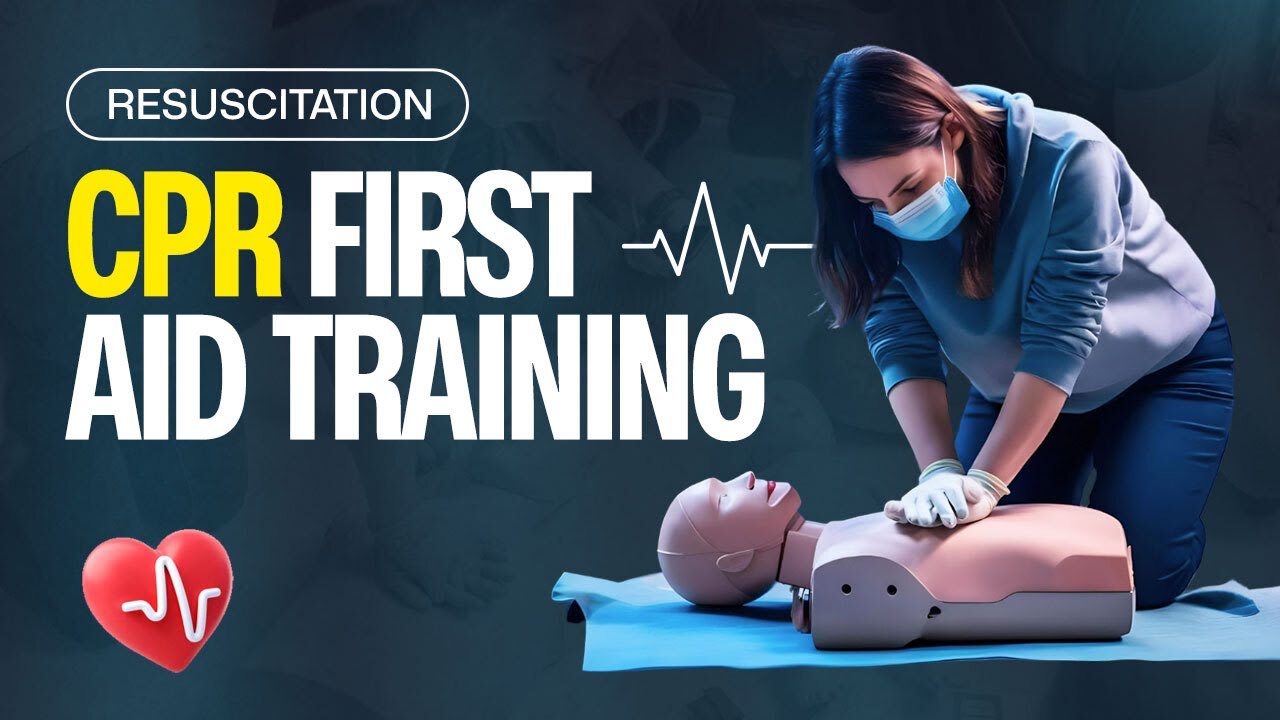
While understanding choking action strategies is critical, learning CPR includes an additional layer of preparedness for unforeseen circumstances-- whether associated directly or indirectly to airway obstructions! CPR entails rhythmically pumping blood with a person's heart when it quits beating-- an ability quickly found out via recognized organizations supplying particular accreditations like HLTAID0010 (Give Cardiopulmonary Resuscitation).
Frequently Asked Questions (FAQs)
1) What Must I Do If I Witness Somebody Choking?
Assess whether they can cough properly; otherwise, call emergency situation solutions while carrying out back strikes followed by stomach drives if necessary.
2) Are There Different Techniques For Grownups And Infants?
Yes! The Learn first aid and CPR skills Launceston Heimlich maneuver functions well for older children/adults however needs adjustments (back blows/chest drives) when handling babies under one year old!
3) How much time Does It Require To Get Licensed In First Aid?
First-aid courses generally range from half-day sessions up with multi-day qualifications depending upon depth/complexity Affordable CPR classes Salisbury level desired!
4) Where Can I Find A First-Aid Program Near Me?
Checking local hospitals/schools/community centers frequently produces good resources; online platforms likewise supply access via digital discovering opportunities!
5) What Is The Importance Of Mental Health First Aid Training?
It equips people with abilities necessary not just throughout physical emergency situations however likewise supports those experiencing emotional distress attached directly/indirectly towards crises!
6) Exactly how Often Must I Renew My Certification?
Most accreditations call for revival every three years; maintaining updated understanding makes certain preparedness when faced with real-life scenarios!
Conclusion
Choking represents a severe medical emergency situation that demands immediate action-- understanding just how to react effectively might indicate conserving a person's life! By acquainting on your own with crucial procedures such as back impacts and abdominal thrusts along with acquiring pertinent accreditations with accredited organizations offering programs near you-- you're helping develop safer settings everywhere you go! Bear in mind constantly-- the more ready we are jointly indicates less catastrophes unfold unnecessarily due lack awareness/training regarding standard yet essential skills bordering 'Choking First Aid.'